The Importance of Schedules and Routines for Children With Autism or Intellectual Disabilities
Key Takeaways
- Consistent schedules and routines can reduce anxiety, support emotional regulation, and help children feel more confident throughout the day.
- Visual schedules, predictable transitions, and clear expectations often improve communication and independence for children with autism and intellectual disabilities.
- Establishing routines at home and in therapy can strengthen learning by providing regular opportunities to practice important skills.
- Early intervention can help families create routines that support a child’s unique developmental needs.
- BARC Developmental Services offers early intervention services that help young children build communication, social, motor, and daily living skills in partnership with their families.
For many children, routines simply make life easier. For children with autism spectrum disorder (ASD) or intellectual disabilities, they can be much more than a convenience. Predictable daily schedules help reduce uncertainty, encourage independence, and create opportunities for learning throughout the day.
Whether it’s getting dressed in the morning, transitioning to school, or preparing for bedtime, consistent routines provide structure that supports a child’s development. Combined with early intervention services, these everyday moments can become powerful learning experiences that benefit the entire family. Research shows that early intervention can significantly improve communication, social skills, and long-term developmental outcomes for children with autism or developmental disabilities.
Why Routine Matters for Children With Autism and Intellectual Disabilities
Many children with autism or intellectual disabilities thrive on predictability. When they know what to expect, they can spend less energy managing uncertainty and more energy learning, communicating, and participating in daily activities.
A consistent daily routine may help:
- Reduce stress and anxiety
- Improve attention and focus
- Support smoother transitions between activities
- Build confidence and independence
- Encourage positive behavior
- Reinforce communication and social skills
While every child is unique, routines create a dependable framework that makes new experiences feel more manageable.
How Visual Schedules Support Learning
Many children with autism are visual learners. That’s why many educators and therapists recommend visual schedules.
Visual schedules may include photographs, simple drawings, icons, or written words that show the order of activities throughout the day. Research has found that activity schedules can improve independence, increase engagement, and help individuals with autism and intellectual disabilities complete tasks with less prompting.
Implementing a visual schedule or routine can look like:
- A morning routine checklist
- Pictures showing the steps for brushing teeth
- A classroom schedule
- A bedtime routine chart
- A visual countdown before transitions
These tools can reduce frustration by making expectations clear and helping children prepare for what’s next.
Routines Build Everyday Skills
Children don’t only learn during therapy sessions. Many of the most important developmental skills are practiced during everyday activities.
Daily routines provide repeated opportunities to work on:
- Communication
- Following directions
- Fine and gross motor skills
- Self-care
- Problem-solving
- Social interaction
For example, preparing breakfast can involve requesting items, following a sequence of steps, practicing fine motor skills, and taking turns with a caregiver. Cleaning up toys teaches organization, responsibility, and transitions.
Over time, these repeated experiences help children gain confidence while making daily tasks more familiar.
Flexibility Is Part of a Healthy Routine
A predictable schedule doesn’t mean every minute must be planned.
Children benefit from learning that small changes can happen safely. Parents can gradually introduce flexibility by providing advance notice, using visual timers, or discussing upcoming changes before they occur.
Simple strategies include:
- Giving five-minute warnings before transitions
- Using “first, then” language
- Keeping familiar bedtime and mealtime routines
- Practicing changes in low-stress situations
The goal isn’t to eliminate surprises forever. It’s to help children develop the skills to adapt when routines naturally change.
How Early Intervention Helps Families Establish Successful Routines
Parents don’t have to figure everything out on their own.
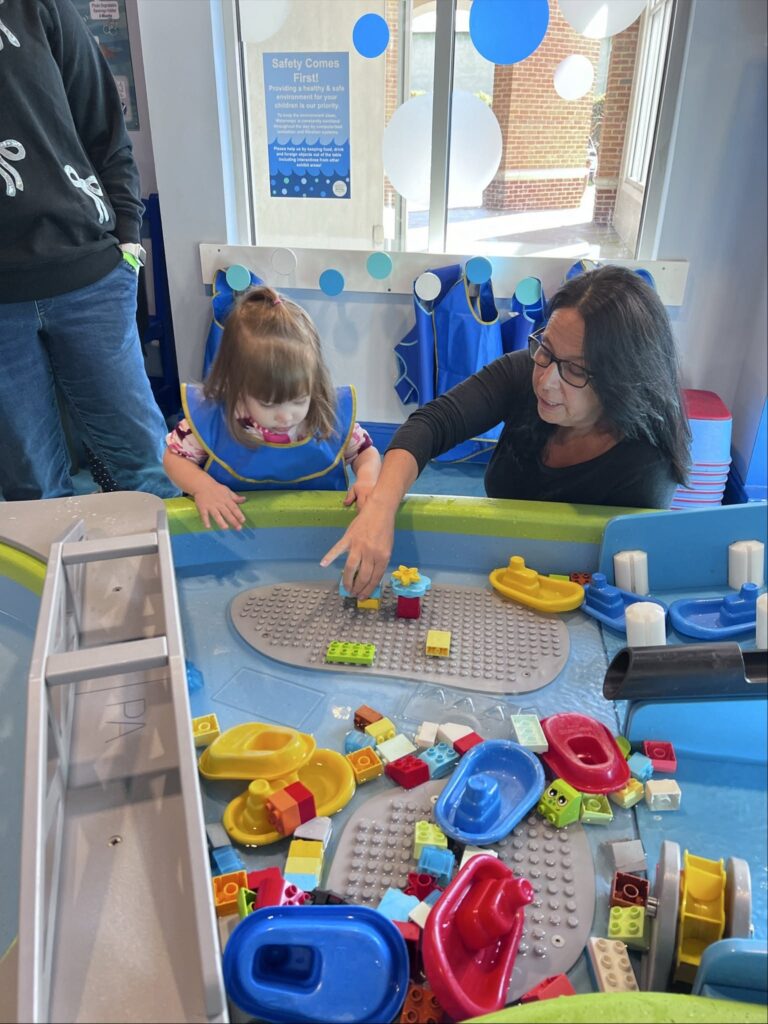
Early intervention professionals can help families identify daily routines that naturally support development. Rather than adding extra work, therapists often incorporate learning opportunities into activities families already do every day.
Here at BARC Developmental Services, our early intervention services provide families with individualized support designed around their child’s strengths and needs. Therapists work alongside caregivers to promote communication, movement, social interaction, and daily living skills in familiar environments where children feel most comfortable.
Research from the CDC also emphasizes that early intervention services can have a significant impact on a child’s ability to learn new skills and increase success in school and everyday life.
When To Seek Support
If your child struggles with communication, social interaction, developmental milestones, or adapting to daily routines, it’s worth talking with your pediatrician or an early intervention provider.
The CDC recommends developmental monitoring for all children and encourages families to seek an evaluation whenever concerns arise. Early support can make a meaningful difference, and families can often refer themselves for early intervention services without waiting for a physician’s referral.
Build Supportive Routines for Your Child
No two children learn the same way, and there is no perfect schedule that works for every family. What matters most is creating predictable, supportive routines that help your child feel secure while building important life skills.
With consistency, patience, and the right support, everyday moments can become meaningful learning opportunities. Programs like BARC Developmental Services’ early intervention services help families turn ordinary routines into stepping stones for greater confidence, communication, and independence.
Explore our early intervention services to see how we can help you.
Located in Bucks County, Pennsylvania, BARC Developmental Services assists and supports individuals with intellectual disabilities and autism. We equip them to reach their fullest potential, lead happy lives, and contribute to their community. With early intervention services, residential programs, and vocational initiatives, we serve hundreds of individuals and aim to help many more. Donate today to make an impactful change in the lives of individuals with intellectual disabilities and autism!