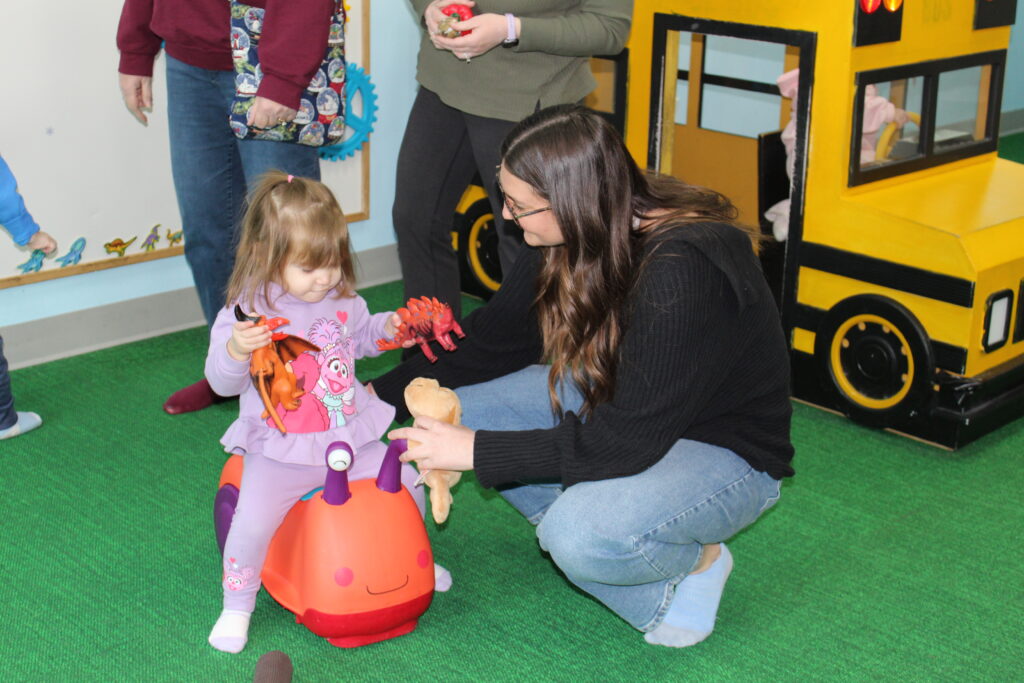
Why Early Intervention Coaching Works: Empowering Families and Children to Thrive
Early childhood represents one of the most critical periods of human development. During the first three years of life, a child’s brain forms more than 1 million neural connections per second, according to the Center on the Developing Child at Harvard University. When developmental delays or disabilities emerge, timely support can significantly influence lifelong outcomes.
That’s why the importance of early intervention for developmental delays cannot be overstated. Research increasingly supports one powerful, evidence-based approach: early intervention coaching. Rather than focusing solely on direct therapy with the child, coaching empowers parents and caregivers to become confident, capable partners in their child’s development.
What Is Early Intervention Coaching?
Early intervention coaching is a family-centered model of support for infants and toddlers with developmental delays or disabilities, typically from birth to age 3 under Part C of the Individuals with Disabilities Education Act (IDEA).
Instead of the professional “fixing” the child, coaching equips caregivers with strategies they can use during daily routines. Providers collaborate with families to:
- Identify developmental goals
- Observe interactions
- Model strategies when needed
- Reflect on what works
- Adjust techniques based on progress
- Professionals serve as guides. Families embed learning into everyday moments such as mealtime, bath time, and playtime.
Organizations such as BARC Developmental Services offer family-centered support that strengthens both children and caregivers. Our early intervention services focus on practical strategies that fit naturally into family life.
Why Early Intervention Matters
The science behind early intervention is clear. According to the National Institutes of Health, early intervention improves cognitive, language, social-emotional, and physical development outcomes.
Data shows that infants and toddlers who receive services are more likely to:
- Improve social relationships
- Acquire knowledge and skills
- Take appropriate action to meet their needs
- These findings highlight the benefits of early intervention for children with developmental disabilities, especially when services begin early. The American Academy of Pediatrics recommends routine developmental screening at 9, 18, and 30 months to identify concerns promptly.
How Coaching Improves Outcomes
Traditional therapy may occur once per week. Coaching transforms that limited timeframe into daily opportunities. When caregivers apply strategies during routines, children benefit from dozens of learning moments each day.
For example:
A parent encourages communication during snack time.
A caregiver promotes motor skills during outdoor play.
A sibling reinforces social interaction through shared games.
In this model, coaching children becomes an ongoing, collaborative process rather than an isolated session.
Families Become Their Child’s Best Teacher
Parents spend more time with a child than any professional. Coaching builds on that reality. Through guided reflection, providers help caregivers understand milestones and ask essential questions.
By recognizing developmental levels and strengths, families tailor activities to their child’s needs. An early intervention developmental profile assessment often identifies priorities across communication, motor, cognitive, and social skills, ensuring targeted support.
The Role of Play
Play drives early learning. The Harvard Center on the Developing Child emphasizes the power of responsive “serve and return” interactions in building brain architecture.
Coaching models encourage families to use play intentionally. Providers may recommend developmental therapy toys for early intervention, including:
- Stacking blocks for coordination
- Cause-and-effect toys for problem-solving
- Sensory materials for regulation
- Picture books for language growth
BARC also shares practical resources, such as these sensory-friendly activities for children with autism and intellectual disabilities, reinforcing that therapeutic progress occurs within everyday experiences.
Building Parent Confidence
Research shows that coaching increases parental confidence and engagement. When families feel capable, they:
- Advocate more effectively
- Implement strategies consistently
- Experience reduced stress
- Strengthen parent-child bonds
This model positions caregivers as active participants in coaching their children.
Addressing Developmental Concerns
Early intervention coaching supports speech delays, autism spectrum disorder, motor challenges, cognitive impairments, and social-emotional regulation difficulties.
According to the CDC, approximately 1 in 6 US children has a developmental disability. Early services capitalize on the brain’s adaptability and demonstrate the importance of early intervention for developmental delays, particularly in communication development, where early support correlates with stronger academic outcomes.
Why Early Intervention Coaching Works
Early intervention coaching succeeds because it:
- Leverages rapid early brain development
- Engages caregivers as consistent teachers
- Embeds learning into daily routines
- Builds confidence and competence
- Adapts to each child’s developmental stage
When professionals partner with families rather than replace them, children receive continuous, meaningful support. The benefits of early intervention for children with intellectual disabilities and autism multiply when families embrace their role as primary educators.
If you suspect developmental delays, early screening and support can make a measurable difference. Trusted providers such as BARC offer family-centered services grounded in research and compassion.
Early intervention coaching works because it transforms families into empowered teachers — and that transformation can shape a lifetime of opportunity.
Seek Support With BARC Developmental Services
If you suspect your child may have a developmental delay, don’t wait. Taking proactive steps now can foster a brighter future for your child. Early intervention can make a significant difference in helping them catch up to their peers, gain confidence, and develop the skills they need to thrive in everyday life.
BARC Developmental Services offers comprehensive early intervention support tailored to your child’s specific needs. Our team of dedicated professionals provides essential therapies, resources, and guidance for families seeking to nurture their child’s potential. With decades of experience in supporting children’s developmental growth, BARC Developmental Services stands ready to help your child move forward confidently. Contact our Early Intervention Department today for more information and next steps.
Located in Bucks County, Pennsylvania, BARC Developmental Services assists and supports individuals with intellectual disabilities and autism. We equip them to reach their fullest potential, lead happy lives, and contribute to their community. With early intervention services, residential programs, and vocational initiatives, we serve hundreds of individuals and aim to help many more. Donate today to make an impactful change in the lives of individuals with intellectual disabilities and autism!